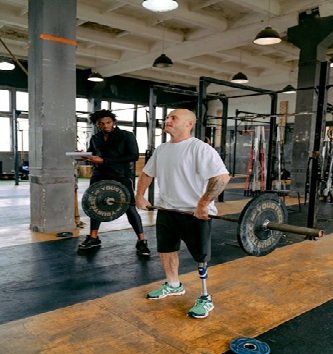

Preparing the body for exercise is just as important as the workout itself. When you enter a training session feeling energized, focused, and physically primed, you set the stage for better performance and more consistent progress. Workout readiness involves a combination of physical preparation, mental focus, proper fueling, and recovery habits that support long term fitness goals. By adopting intentional strategies, individuals can enhance their training experience and reduce the risk of fatigue or injury.
Prioritize Quality Sleep for Better Performance
Sleep is one of the most influential factors in workout readiness. During rest, the body repairs tissues, restores energy, and regulates hormones that support strength, endurance, and recovery. Without adequate sleep, performance can decline, reaction time may slow, and motivation often decreases.
Most adults benefit from seven to nine hours of restful sleep each night. Establishing a consistent sleep schedule, limiting screen time before bed, and creating a calm environment can help improve sleep quality. When the body is well rested, workouts feel more manageable and productive.
Fuel the Body With Balanced Nutrition
Proper nutrition provides the energy needed to perform well during training. Eating balanced meals that include carbohydrates, protein, and healthy fats helps maintain stable energy levels and supports muscle function. Carbohydrates supply quick fuel, while protein supports muscle repair and endurance.
Some individuals also incorporate a pre workout supplement powder to enhance their focus and energy before training. Whether using supplements or whole foods, the goal is to provide the body with the nutrients it needs to perform at its best. Consistent, balanced nutrition throughout the day helps maintain readiness for both planned and spontaneous workouts.
Stay Hydrated Throughout the Day
Hydration plays a major role in physical performance. Even mild dehydration can lead to fatigue, reduced endurance, and difficulty concentrating. Drinking water consistently throughout the day helps maintain fluid balance and supports muscle function, joint lubrication, and temperature regulation.
Hydration should begin long before the workout starts. Sipping water regularly, especially in warm environments or on active days, helps ensure that the body is prepared for physical exertion. For longer or more intense sessions, electrolyte rich beverages may also be beneficial.
Warm Up With Purpose
A proper warm up prepares the body for movement by increasing blood flow, loosening muscles, and activating key muscle groups. Skipping this step can lead to stiffness, reduced performance, and a higher risk of injury. A dynamic warm up that includes controlled movements such as leg swings, arm circles, or light cardio helps transition the body into a ready state.
Warming up also supports mental readiness. Taking a few minutes to focus on breathing and movement helps shift attention toward the workout and away from daily distractions. A purposeful warm up sets the tone for a more effective training session.
Manage Stress to Improve Focus
Mental readiness is just as important as physical preparation. High stress levels can affect concentration, motivation, and overall performance. Incorporating stress management techniques such as deep breathing, meditation, or short breaks throughout the day can help maintain mental clarity.
Creating a pre-workout routine that includes a moment of calm or intention setting can also improve focus. When the mind is centered, workouts feel more controlled and purposeful. Reducing stress supports both readiness and long-term consistency.
Maintain Consistent Recovery Habits
Recovery habits play a major role in how prepared the body feels for the next workout. Stretching, mobility work, and proper cool downs help reduce stiffness and support flexibility. Foam rolling or light movement on rest days can also help maintain circulation and reduce muscle tension.
Recovery is not limited to physical practices. Adequate nutrition, hydration, and rest all contribute to how quickly the body rebounds from training. When recovery is prioritized, the body feels more energized and ready for the next session.
Set Clear Goals and Track Progress
Having clear goals helps create direction and motivation. Whether aiming to build strength, improve endurance, or maintain overall health, defined goals help shape training decisions and support mental readiness. Tracking progress through journals, apps, or simple notes provides insight into what is working and where adjustments may be needed.
Goal setting also helps maintain consistency. When individuals understand their purpose and see measurable progress, they are more likely to approach each workout with intention and enthusiasm.
Conclusion
Improving workout readiness involves a combination of sleep, nutrition, hydration, warm ups, stress management, recovery habits, and goal setting. By integrating these strategies into daily routines, individuals can enhance performance, reduce fatigue, and create a more effective and enjoyable training experience.