

Owning a car is a significant investment, and proper care can help you get the most out of it. Regular maintenance and simple preventative measures can extend your vehicle’s lifespan, improve performance, and save you money. Below, we’ll explore practical ways to keep your car running smoothly for years to come.
1. Maintain a Regular Service Schedule
Routine maintenance is the foundation of vehicle care. Every car comes with a manufacturer-recommended service schedule, outlining when to change the oil, rotate the tires, and inspect the brakes. Following this guide ensures that critical systems are running efficiently.
Key tasks to stay on top of include:
Oil and Filter Changes
Regular oil changes reduce friction and keep your engine in top condition. Dirty oil can lead to wear and tear over time.
Tire Rotation and Alignment
Rotating and aligning your tires promotes even wear, which improves handling and increases the life of your tires and suspension system.
Brake Inspections
Brakes are crucial for safety. Check them regularly to avoid costly repairs and prevent accidents.
Neglecting routine maintenance can lead to more significant problems, so staying proactive is your best bet.
2. Check Fluids and Tires Regularly
Fluids and tires play a crucial role in how your car performs. Checking these regularly helps to avoid minor issues escalating into major repairs.
Monitor Fluid Levels
Keep tabs on fluids such as coolant, transmission fluid, brake fluid, and windshield washer fluid. Top them off or replace them according to your car’s manufacturer’s guidelines.
Inspect Tire Pressure
Under-inflated or over-inflated tires can lead to poor miles per gallon and uneven tire wear. Keep your tires inflated to the recommended level for better fuel efficiency and safety. Check pressure at least once a month.
Proper attention to these details keeps your car healthy and adds years to its life.
3. Protect the Exterior
Your car’s exterior isn’t just about aesthetic appeal—it helps preserve resale value and protects against damage. Cleaning and protecting the exterior regularly is essential.
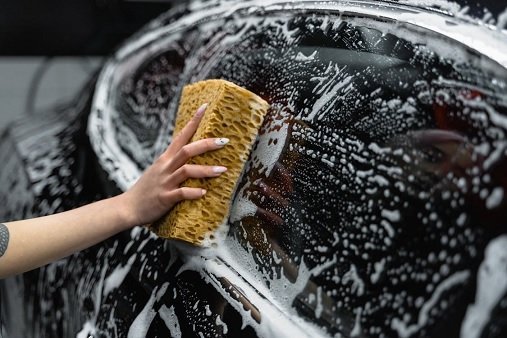
Wash Your Vehicle Often
Dirt, grime, and road salts can lead to corrosion if ignored. A monthly wash helps prevent rust and keeps your car looking sharp.
Wax and Seal
Applying a layer of wax creates a protective barrier between your car’s paint and harmful elements like UV rays and rain. An occasional professional polish will also help maintain that fresh off-the-lot shine.
Consider Paint Protection Solutions
Services provided by paint protection film installers in Salt Lake, for example, can safeguard your car’s finish from scratches, chips, and wear. This small investment can pay off by preserving your car’s value over time.
By focusing on exterior care, you prevent cosmetic and structural issues that can develop into costly repairs.
4. Drive Smarter
The way you drive has a significant impact on your vehicle’s lifespan. Simple adjustments in driving habits can reduce strain on essential components.
Avoid Sudden Starts and Stops
Quick acceleration and abrupt braking wear out your engine, brakes, and tires faster than steady driving. Practice smooth transitions to save on fuel and maintenance costs.
Mind Your Load
Overloading your vehicle puts stress on the suspension, brakes, and tires. Check your car’s load capacity and avoid carrying unnecessary weight.
Warm Up and Cool Down
On cold mornings, give your engine time to warm up before driving. This helps oil circulate and lubricate all moving parts. Similarly, avoid turning off the engine immediately after heavy driving to reduce wear on the turbocharger or engine.
Good driving habits not only enhance safety but can also greatly reduce repair expenses.
5. Address Issues Early
Listen to your car. If something sounds unusual—whether it’s a rattle, squeal, or clunk—don’t ignore it. Early detection of problems often means smaller repair bills.
Pay Attention to Warning Lights
Dashboard warning lights are designed to alert you to potential issues. Respond promptly to check engine lights or other alerts to prevent further damage.
Inspect Belts and Hoses
Cracks or wear in belts and hoses could lead to failure. Inspect them periodically for signs of damage, especially during scheduled maintenance.
Replace Worn Parts
Components like wiper blades, air filters, and spark plugs wear out over time. Replace them as needed to keep your car functional and comfortable.
Taking these proactive steps saves you from car troubles down the road.
6. Store Your Vehicle Properly
If you don’t drive your car every day, storage conditions play a crucial role in its longevity. Keep these tips in mind:
Garage Parking
Whenever possible, park your car in a garage to protect it from harsh weather, dust, and debris.
Battery Maintenance
If your car will sit unused for an extended period, consider investing in a trickle charger to prevent battery drain.
Cover Your Vehicle
For cars parked outdoors, use a quality cover designed for your car’s model. It shields the vehicle from sun and rain damage.
Proper storage minimizes potential hazards when your car is not in regular use.
Conclusion
Extending the life of your vehicle doesn’t have to be complicated. By sticking to a regular maintenance plan, driving thoughtfully, and protecting both the interior and exterior, you can ensure that your automobile serves you reliably for years to come. Whether it’s through proper cleaning, addressing minor repairs right away, or enlisting professionals such as paint protection film installers in Salt Lake to preserve your car’s exterior, these steps make a significant difference in your vehicle’s longevity. Take the time to care for your car today, and it will reward you with years of dependable service.