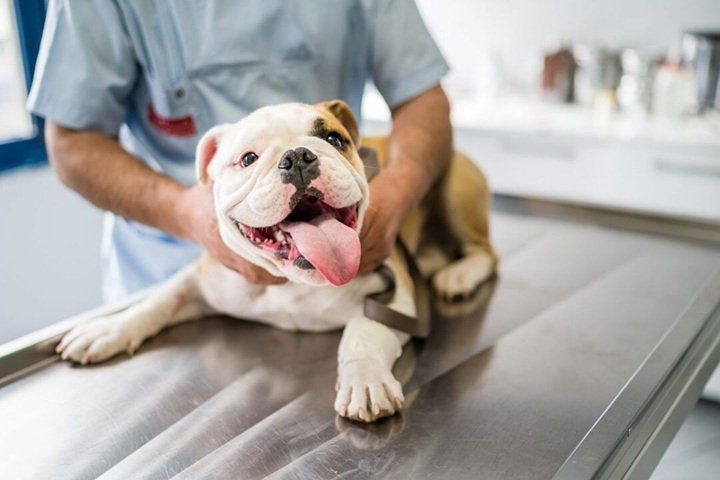

Keeping your pet healthy year‑round requires more than routine vet visits and a balanced diet. As the seasons change, so do your pet’s needs—whether it’s adjusting to temperature shifts, managing allergens, or adapting exercise routines. Understanding how each season affects your pet’s well‑being can help you stay proactive and ensure they remain comfortable, safe, and thriving throughout the year. With a thoughtful approach and a bit of preparation, you can support your pet’s health no matter what the weather brings.
Preparing for the Challenges of Winter
Winter can be tough on pets, especially those sensitive to cold temperatures. Short‑haired dogs, senior pets, and animals with certain medical conditions may struggle to stay warm. Providing cozy bedding, limiting time outdoors during extreme cold, and using pet‑safe sweaters or jackets can help keep them comfortable.
Dry air is another winter concern. Indoor heating systems often reduce humidity, which can lead to dry skin and irritation. Regular brushing helps distribute natural oils, while a humidifier can make the indoor environment more comfortable. Additionally, be mindful of ice‑melt products on sidewalks and driveways—many contain chemicals that can irritate paws. Wiping your pet’s feet after walks helps prevent discomfort and accidental ingestion.
Managing Spring Allergies and Increased Activity
Spring brings warmer weather and longer days, but it also introduces allergens that can affect pets just as much as humans. Pollen, mold, and dust can trigger itching, sneezing, and skin irritation. Regular grooming and bathing can help reduce allergen buildup on your pet’s coat. For dogs that require professional grooming, many owners seek services such as dog grooming in Concord, NC or their local area to help manage seasonal shedding and skin sensitivities.
Spring is also a time when pets become more active. After a slower winter, it’s important to ease them back into exercise gradually to avoid injury. Start with shorter walks or play sessions and increase intensity over time. This is also the season when parasites like fleas and ticks become more prevalent, so maintaining preventive treatments is essential.
Keeping Pets Cool and Hydrated in Summer
Summer heat can pose serious risks to pets, especially those with thick coats, flat faces, or underlying health issues. Overheating and dehydration are common concerns, making it crucial to provide plenty of fresh water and shade. Avoid walking your dog during peak heat hours, as hot pavement can burn their paws and high temperatures can quickly lead to heatstroke.
Grooming plays a key role in summer comfort. Regular brushing helps remove loose fur and improves airflow through the coat. However, shaving certain breeds can actually be harmful, as their coats provide natural insulation and sun protection. When in doubt, consult a veterinarian or professional groomer before making major grooming decisions.
Outdoor activities also require extra caution. Never leave pets in parked cars, even for a short time, and be mindful of water safety if your pet enjoys swimming. With proper precautions, summer can be a fun and active season for both you and your pet.
Supporting Joint and Immune Health in Fall
Fall is a transitional season that brings cooler temperatures and increased outdoor activity. It’s an excellent time for long walks, hikes, and playtime, but it also marks the beginning of joint‑stiffness season for many older pets. As temperatures drop, arthritis symptoms may become more noticeable. Providing supportive bedding, maintaining a healthy weight, and incorporating gentle exercise can help keep joints flexible and comfortable.
Fall also signals the start of respiratory illness season. Pets can be susceptible to conditions like kennel cough, especially if they spend time in boarding facilities or dog parks. Staying up to date on vaccinations and monitoring for early signs of illness can help prevent complications. Additionally, fall is a good time to reassess your pet’s diet and activity level as they prepare for the colder months ahead.
Maintaining Consistent Care Year‑Round
While each season brings its own challenges, consistency is the foundation of year‑round pet health. Regular veterinary checkups, a balanced diet, and daily exercise remain essential regardless of the weather. Mental stimulation—through toys, training, and interactive play—also supports emotional well‑being and prevents boredom‑related behaviors.
Grooming, parasite prevention, and dental care should be maintained throughout the year, even when seasonal demands shift. By staying attentive to your pet’s changing needs and adjusting routines as necessary, you can help them stay healthy and happy in every season.
Conclusion
Caring for your pet through the changing seasons requires awareness, flexibility, and a commitment to their overall well‑being. From managing winter dryness to preventing summer heat stress, each season presents unique considerations that can impact your pet’s health. By staying proactive and adapting your care routine throughout the year, you can ensure your pet remains comfortable, safe, and thriving no matter the weather. With thoughtful attention and consistent support, your pet can enjoy a healthy, happy life in every season.