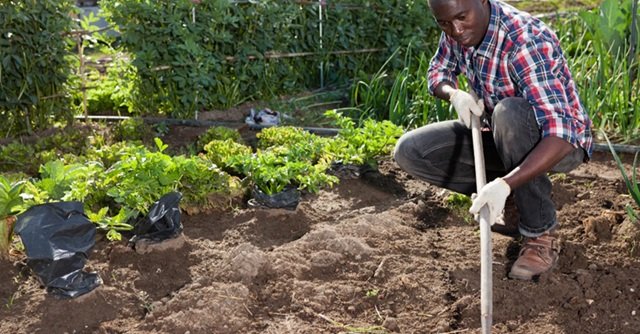

Homesteading has become increasingly popular as more people seek self‑sufficiency, sustainability, and a deeper connection to the land. For beginners, the idea of starting a homestead can feel both exciting and overwhelming. There are countless skills to learn, decisions to make, and habits to build. Yet homesteading doesn’t require perfection or a massive property—it simply requires a willingness to start small, learn continuously, and embrace a lifestyle centered on resourcefulness and intentional living. With the right mindset and a few practical strategies, anyone can begin building a rewarding homestead.
Start Small and Build Gradually
One of the most important principles for new homesteaders is to avoid taking on too much at once. It’s tempting to dive into gardening, livestock, food preservation, and DIY projects all at the same time, but doing so can quickly lead to burnout. Instead, choose one or two manageable projects to begin with. A small vegetable garden, a few raised beds, or a simple composting system are great starting points. As you gain confidence and experience, you can expand your efforts. Homesteading is a long‑term journey, and gradual growth allows you to build skills sustainably.
Learn to Make the Most of Your Space
Homesteading isn’t limited to rural areas or large properties. Many beginners start in suburban backyards or even on balconies. The key is learning how to maximize the space you have. Vertical gardening, container planting, and efficient layout planning can help you grow more food in limited areas. Even small spaces can support herbs, leafy greens, and compact fruit varieties. If you have more room, consider adding perennials like berry bushes or fruit trees, which provide long‑term yields with minimal maintenance. Thoughtful use of space ensures your homestead remains productive and manageable.
Explore New Skills and Self‑Sufficiency Practices
Homesteading is rooted in learning practical skills that support a more independent lifestyle. Gardening, food preservation, basic carpentry, and animal care are common areas of focus, but there are many other skills worth exploring. Some beginners learn to grow mushrooms at home, make homemade cleaning products, or build simple structures like chicken coops or cold frames. Each new skill adds value to your homestead and reduces reliance on outside resources. Start with skills that interest you most, and allow your curiosity to guide your learning.
Prioritize Sustainable Living Habits
Sustainability is at the heart of homesteading, and adopting eco‑friendly habits can make your efforts more efficient and environmentally conscious. Reducing waste, reusing materials, and conserving water are all essential practices. Rainwater collection systems, composting, and mulching help create a more self‑sustaining ecosystem. Many homesteaders also focus on reducing energy consumption by using natural light, improving insulation, or incorporating renewable energy sources when possible. These habits not only benefit the environment but also lower long‑term costs and increase your homestead’s resilience.
Build Community and Seek Support
Homesteading may be rooted in self‑sufficiency, but it thrives on community. Connecting with other homesteaders—whether locally or online—provides valuable support, knowledge, and encouragement. Many communities offer seed swaps, workshops, and local markets where you can learn from experienced growers and share your own progress. Online forums and social media groups also offer a wealth of information, from troubleshooting garden issues to sharing DIY project ideas. Building relationships with others who share your goals helps you stay motivated and inspired as you grow your homestead.
Conclusion
Homesteading is a fulfilling and empowering lifestyle that encourages self‑reliance, creativity, and a deeper connection to the natural world. By starting small, making the most of your space, exploring new skills, embracing sustainable habits, and building community, beginners can create a strong foundation for long‑term success. Every step you take—no matter how small—brings you closer to a more intentional and rewarding way of living.