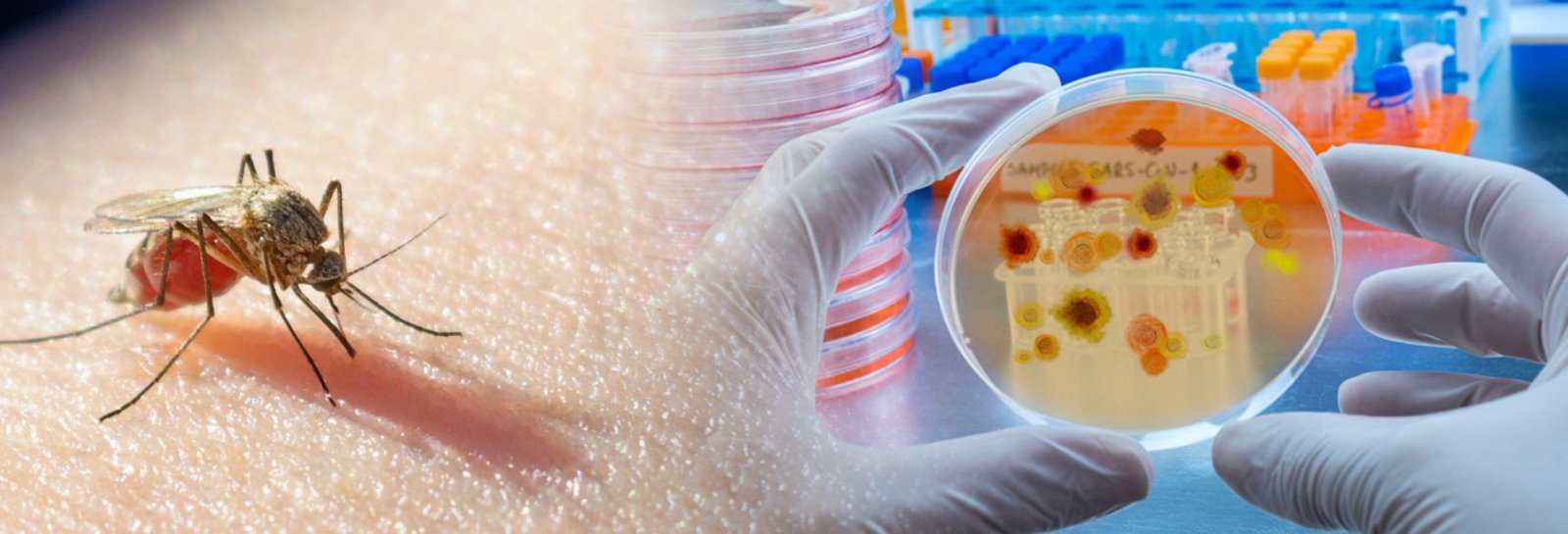

Malaria, a life-threatening disease caused by parasites transmitted through the bites of infected mosquitoes, continues to pose a significant global health challenge. Despite decades of research and efforts to control the disease, malaria remains a leading cause of illness and death in many parts of the world1. However, recent breakthroughs in malaria research are offering new hope in the fight against this deadly disease2.
New Treatments
One of the most promising developments in malaria treatment is the emergence of new drugs designed to combat drug-resistant strains of the parasite. Researchers at the University of Glasgow have developed a novel drug that targets a protein called PfCLK3, which is crucial for the parasite’s ability to replicate itself inside the human body3. This drug, which works by permanently disabling the PfCLK3 protein, has shown great potential in overcoming resistance to current treatments.
Another exciting advancement is the use of nanotechnology to enhance the delivery of antimalarial drugs. By encapsulating antimalarial agents in nanoparticles, researchers can ensure targeted delivery to infected cells, improving the safety and efficacy of the treatment4. This approach also allows for the combination of multiple therapeutic agents within a single nanocarrier, offering synergistic effects that could revolutionize malaria treatment.
New Vaccines
The development of effective malaria vaccines has been a long-standing goal for researchers. Recent progress in this area has led to the approval of two new vaccines: RTS,S/AS01 and R21/Matrix-M5. The RTS,S vaccine, which has been in development since the mid-1980s, was recommended by the World Health Organization (WHO) for widespread use in children living in malaria-endemic areas. This vaccine has shown to reduce child illness and death from malaria by approximately 30%1.
The R21/Matrix-M vaccine, a more recent addition, has demonstrated even higher efficacy in clinical trials. This vaccine targets the pre-erythrocytic stage of the malaria parasite’s life cycle, offering protection against infection before it can cause severe illness5. The success of these vaccines marks a significant milestone in malaria research and provides a powerful tool in the global effort to eliminate the disease.
Challenges and Future Directions
While these breakthroughs are promising, several challenges remain in the fight against malaria. Drug resistance continues to be a major concern, and researchers must remain vigilant in developing new treatments to stay ahead of the evolving parasite3. Additionally, the complex life cycle of the malaria parasite and the genetic diversity of the parasite pose significant obstacles to vaccine development2.
To address these challenges, researchers are exploring innovative approaches, such as combination therapies and novel vaccine platforms. By combining different drugs or targeting multiple stages of the parasite’s life cycle, scientists hope to achieve more effective and durable treatments6. Furthermore, advancements in genomics and bioinformatics are providing valuable insights into the parasite’s biology, aiding in the development of targeted interventions.
Conclusion
The recent breakthroughs in malaria research offer a glimpse of hope in the ongoing battle against this deadly disease. New treatments and vaccines are paving the way for more effective and sustainable malaria control strategies1. As researchers continue to push the boundaries of science, the dream of a malaria-free world becomes increasingly within reach.