

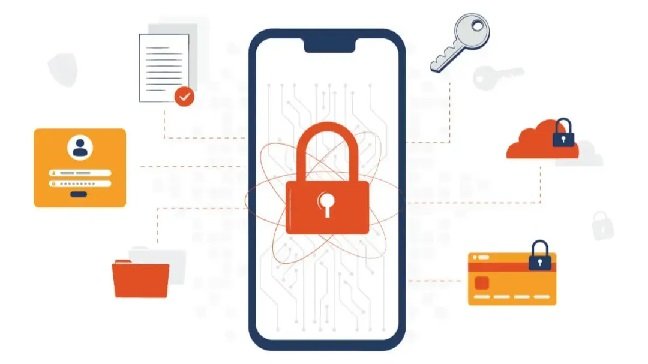
In the quickly changing digital world, web and mobile applications are becoming essential to their everyday existence. From communication and leisure to banking and shopping, applications manage ever-more-sensitive data. App code protection is becoming more and more important for both developers and consumers due to their increased reliance on digital platforms.
App Code Protection’s Vital Significance
Unprecedented difficulties in preserving the security and integrity of application code confront modern software development. Malicious actors are continuously creating more complex methods to corrupt user data, reverse engineer apps, and take advantage of vulnerabilities. App protection is an essential defensive mechanism that builds several security layers to secure the sensitive data processed by the program as well as its functionality.
The entire strategy that goes well beyond conventional security measures is what they mean when they discuss app code protection. It includes an all-encompassing approach meant to stop theft of intellectual property, tampering, and illegal access. Strong barriers that make it very difficult for potential attackers to comprehend, alter, or influence the application’s essential operation are the main objectives.
Comprehending App Code Protection Fundamentals
A powerful security ecosystem is produced by the interrelated principles that underpin app code protection. The approach essentially entails applying sophisticated strategies that conceal and protect the original source code from possible dangers. This entails altering the code so that it retains its functionality while becoming much more difficult for unauthorized users to understand or target.
One of the main strategies is code obfuscation, which is the intentional complexity and difficulty of the source code. By changing variables, adding more computational complexity, and reorganizing the logic of the code, developers can effectively thwart attempts at reverse engineering. To anyone trying to interpret it, the obfuscated code seems like a complex, almost unintelligible sequence of instructions, but it nonetheless functions exactly like the original code.
The Multi-Level Security Method
Implementing a single solution is not enough to ensure effective app code protection; instead, several interdependent protective layers must be established. Every layer increases resistance to possible security breaches and adds complexity. This strategy guarantees that even in the event that an attacker is able to get past one line of defense, they will run into other barriers that make unauthorized access more difficult.
In this multi-layered approach, runtime protection is essential. The implementation of dynamic security methods allows developers to identify and address possible risks in real time while the program is running. To stop such compromises, these runtime safeguards keep an eye on how the application behaves, spotting questionable activity and putting quick fixes in place.
Protection against Tampering and Encryption
Another essential component of protecting app code is encryption. By encrypting important code and data, developers offer another layer of protection against unwanted access. The information is rendered useless to possible attackers by the encryption process, which turns readable code into seemingly random sequences that can only be decrypted using particular keys or techniques.
Techniques for preventing tampering significantly improve the security infrastructure. When someone tries to alter the application’s code or runtime environment, these advanced techniques recognize it and react accordingly. When the program detects unauthorized changes, it can take several protective actions, including stopping some features, sending out alerts, or stopping the application altogether.
Preserving Intellectual Property
In addition to securing user data, app code protection is essential for preserving developers’ and businesses’ intellectual property. By putting strong security measures in place, developers can stop rivals or bad actors from comprehending and maybe stealing their exclusive technologies, distinctive features, or creative algorithms.
App code security’s contribution to intellectual property protection extends beyond merely following the law. It offers a technological barrier that makes it far more difficult for unauthorized parties to reverse engineer or replicate sophisticated software systems. This protection is especially important in sectors where competitive advantages are greatly enhanced by innovation and novel technology approaches.
The Changing Face of Application Security
Strategies for protecting app code must continue to be flexible and dynamic as technology develops. Due to the frequent emergence of new attack vectors and vulnerabilities, the cybersecurity landscape is usually changing. Proactively anticipating possible threats and regularly updating defensive methods are essential for successful app protection.
Developers and security professionals need to remain up to date on the most recent security research, new developments in technology, and possible weaknesses. To maintain strong app code protection measures, regular security audits, constant monitoring, and a dedication to continuous improvement are crucial.
A Look at Performance
App code protection’s possible effect on application performance is a frequently disregarded feature. The implementation of strong security measures and preserving the best possible app responsiveness must be carefully balanced by advanced protection mechanisms. In order to prevent security improvements from degrading user experience, modern protection solutions are made to involve as little computational cost as possible.
Advanced protection algorithms use advanced processing techniques to reduce performance degradation and are meticulously designed to function efficiently. This implies users won’t experience any lag or disruptions in their program usage while still enjoying full security.
Prospects for App Code Security in the Future
App code protection techniques are about to undergo a revolution because of emerging technologies like artificial intelligence and machine learning. More complex threat detection systems that can anticipate and eliminate possible security threats before they arise are made possible by these cutting-edge computational algorithms. Developers can design self-evolving security frameworks that stay a few steps ahead of any attackers by utilizing clever algorithms that learn and adapt in real time.
App code protection has advanced significantly with the combination of behavioral monitoring and predictive analytics. These sophisticated technologies are able to examine even the smallest changes in how applications interact, finding minute patterns that could point to possible security flaws. Preemptive intervention is made possible by such granular monitoring, establishing a proactive defense system that surpasses conventional reactive security techniques.
Conclusion
App code protection has evolved from a desirable extra to a necessary component of contemporary program development. There is a growing demand for comprehensive security measures as digital platforms get more intricate and linked. Strong app protection should not be seen as a cost by developers or organizations, but rather as an essential investment in preserving user confidence, securing private data, and preserving technological advancements.
In an increasingly uncertain digital landscape, developers may design resilient applications that provide consumers peace of mind by adopting advanced protection measures, putting multilayered security approaches into practice, and remaining proactive toward emerging threats. Adaptive tactics, ongoing innovation, and a comprehensive approach to code protection are key components of the future of app security. For more information check out appsealing.