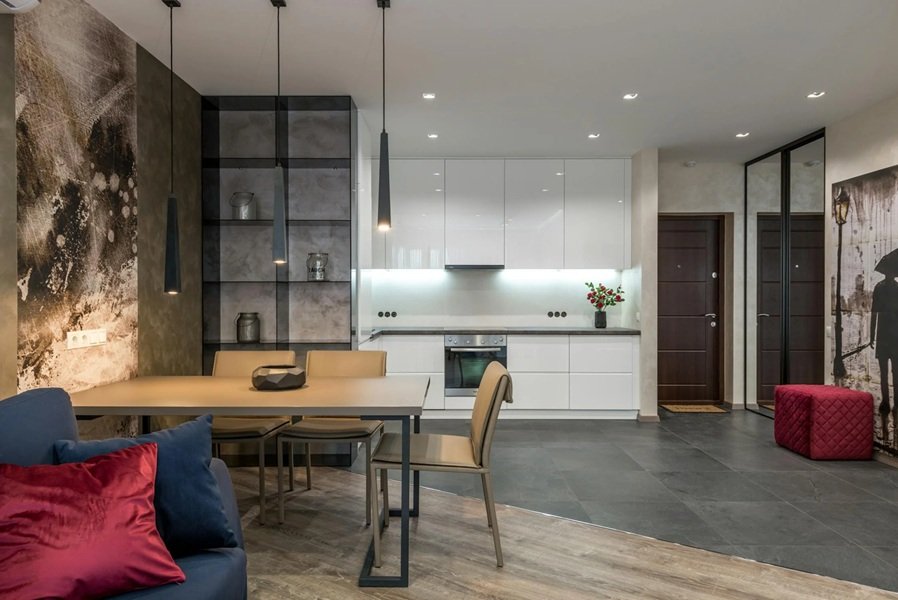

Home design trends now focus on blending practicality with beauty, creating spaces that are both functional and visually appealing. Modern homeowners prioritize designs that balance form and function.
Multipurpose Spaces
With more people working from home or seeking flexible living arrangements, multipurpose spaces have become a top priority. Rooms now serve more than one purpose—for example, a home office that doubles as a guest bedroom or a living room with built-in storage that also functions as an entertainment hub. Smart furniture, like hidden beds or expandable desks, is playing a significant role in making these dual-purpose spaces both functional and stylish.
Sustainable and Eco-Friendly Materials
The growing focus on sustainability has led to increased use of eco-friendly building materials. Bamboo flooring, reclaimed wood, and recycled glass countertops are just a few examples of environmentally conscious materials that add both character and sustainability to homes. These materials not only align with the desire to live responsibly but also contribute a natural beauty that elevates interior aesthetics.
Technology Meets Design
Smart homes are no longer a futuristic dream; they are central to today’s living spaces. From automated lighting and smart thermostats to integrated entertainment systems, technology is being seamlessly woven into home design. Even traditionally overlooked elements, like garage doors—such as those in Jacksonville, FL—are being modernized with Wi-Fi-enabled openers and sleek finishes that complement the home’s exterior.
Natural Light and Minimalist Aesthetics
Natural light is a non-negotiable element in modern home design. Large, open windows, skylights, and glass doors are bringing the outdoors in, creating spaces that feel brighter and more inviting. Paired with minimalist aesthetics, this approach promotes calm and uncluttered environments, contributing to a sense of relaxation and well-being.
Sustainable and Eco-Friendly Materials
Sustainability is now a key focus in modern home design. Builders and homeowners are choosing eco-friendly materials like reclaimed wood, bamboo, and recycled glass to reduce environmental impact. Energy-efficient appliances and renewable energy solutions, like solar panels, are also becoming popular. These choices benefit the planet, save money, and create healthier living spaces, making sustainable living a major trend in homes today.
Bold Personalization
While minimalism remains popular, designers are leaning into bold personalization to break the monotony. Statement walls, oversized artwork, and unique color palettes are helping homeowners express their uniqueness. A balance of restraint and creativity ensures bold pieces enhance, rather than overwhelm, the overall design.
Outdoor Living Spaces
Extending the living area beyond the walls of the house is another growing trend. Outdoor spaces are being designed to function almost like indoor rooms, complete with comfortable furniture, fire pits, and outdoor kitchens. These areas provide a place to relax and entertain while making full use of the property.
Biophilic Design
Biophilic design is an architectural and interior design approach that connects homeowners to nature, even within indoor spaces. By incorporating elements such as vertical gardens, lush indoor plants, and natural textures like wood and stone, this design philosophy seeks to blur the lines between the inside and outside worlds. The presence of greenery not only enhances the visual appeal of a home but also brings functional benefits, such as improved air quality by filtering toxins and creating a healthier living environment.
Additionally, studies have shown that surrounding yourself with natural elements can boost mental well-being by reducing stress and promoting a sense of calm. Biophilic design is more than a trend—it’s a way to bring the beauty and benefits of nature into everyday life.
Conclusion
Now that you know the top trends in home design for 2025, it’s time to start incorporating them into your own space. Remember to prioritize both function and style, choose sustainable materials, embrace technology, and add personal touches that make your home truly unique.